

How Does Humidity Affect Roofing in West Nyack, NY?
Humidity in West Nyack, NY creates unique challenges for local homes, especially during warm, muggy summers and damp transitional seasons. Moisture in the air can change how roofing materials perform, age, and protect a home. Some roofing issues develop slowly, making it important for residents to recognize the influence of humidity on their roofs.
What Kinds of Roofing Materials Are Most Affected by Humidity?
All roofing materials can react to ambient moisture, but not always in the same way.
- Asphalt shingles may experience loss of granules, warping, or curling when moisture seeps beneath the surface.
- Wood shakes and shingles are particularly sensitive to humidity, often absorbing water and potentially developing mold, mildew, or rot.
- Metal roofing is less likely to absorb moisture, but warm, humid air can speed up corrosion if protective coatings are compromised.
- Tile roofs are generally resistant, but underlayment and fasteners beneath tile can still suffer moisture-related issues.
In West Nyack, the prevalence of asphalt and composite roofs means most local homes will notice problems first in shingle performance, particularly after rainy summers or prolonged periods of humidity.
How Does High Humidity Change Roof Lifespan?
High humidity doesn't directly "wear out" a roof overnight. Instead, it accelerates processes that shorten its effective lifespan.
- Moisture trapped beneath shingles or roofing membranes can encourage algae and moss growth.
- Persistent dampness makes organic materials, such as wood decking, more vulnerable to rot, swelling, and eventual failure.
- Inadequate attic ventilation in homes amplifies condensation; trapped moisture beneath the roofline can lead to hidden damage over several seasons.
In damp summers, local residents might notice curling edges on shingles, unexplained dark streaks, or even water spots on upper-floor ceilings—signs that humidity is already affecting the roofing system.
Are There Common Signs of Humidity Damage Residents Should Watch For?
A few physical clues may indicate that humidity is taking a toll:
- Granule loss or bald spots on asphalt shingles
- Black or green streaks caused by algae and moss, especially after humid weather
- Warped, cracked, or buckling areas on wood shakes
- Soft, “springy” spots on the roof surface, which can mean rot below the visible layer
- Mold or mildew inside attics, along with musty odors
Often, residents associate roof leaks only with rain, but these problems can develop from ongoing humidity—even without direct storms.
How Do Local Climate Patterns Affect Roofing Challenges?
West Nyack’s humid, four-season climate puts special stress on roofs compared to arid or consistently cool regions. Summers are often quite muggy, and shoulder seasons can keep surfaces damp for long stretches. Such climate patterns promote:
- Frequent cycles of expansion and contraction, which stress shingles and seams
- Longer periods of dew or surface moisture, feeding mold and algae colonies
- Slow drying of shaded rooftops, keeping underlayers damp
- Occasional winter ice dams, which can trap moisture under roofing after humidity-laden freezes
This combination means the local community should be attentive year-round, not just after heavy storms.
What Maintenance Is Useful for Reducing Humidity Damage?
Several simple steps help protect roofs from long-term humidity issues:
- Keep gutters and downspouts clear, so water drains efficiently rather than lingering near roof edges.
- Trim back trees and dense landscaping to increase rooftop sunlight—this helps surfaces dry out after humid nights or rainy spells.
- Periodically remove moss or algae with gentle, roof-safe methods (avoid power-washing, which may worsen damage).
- Check attic ventilation, since strong airflow prevents moisture buildup underneath the roofing system.
- Inspect for curled, loose, or broken shingles after particularly humid periods.
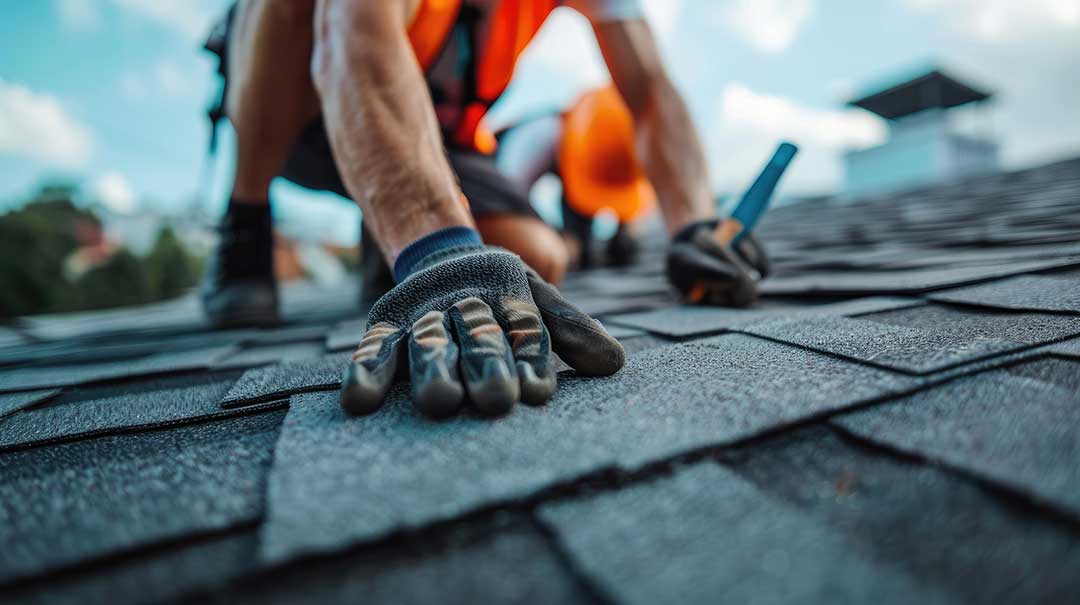
Such actions won’t eliminate the effects of the weather, but they can limit problems and preserve the integrity of the roofing materials native to West Nyack.
What Are Common Misconceptions About Humidity and Roofing?
A few myths persist:
- “Humidity only matters in tropical places.” Local climate cycles produce enough moisture to impact even northern roofs, particularly over time.
- “Metal roofs don’t need to worry about moisture.” While resistant, metals can corrode faster when protective coatings are breached or seams are exposed.
- “Algae is just cosmetic.” Beyond appearance, unchecked growth can retain additional moisture and speed up material decay.
By understanding what’s local myth versus fact, homeowners can take informed steps toward prevention and upkeep.
Why Does Local Building Tradition Influence Humidity Concerns?
Many older homes in the area were built before modern moisture barriers and ventilation codes became standard. These houses may rely on older materials or construction methods that respond differently to humidity.
Additionally, because lots in the community tend to feature mature trees and established landscaping, shade diminishes rooftop drying. Homes on low ground, or with minimal sunlight exposure, often need more frequent inspection for slow-developing moisture issues.
How Can Residents Recognize When Professional Inspection Might Be Necessary?
While basic maintenance and visual checks handle most minor issues, larger concerns—such as persistent leaks, hidden rot, or structural sagging—should be addressed by a licensed roofing professional. Safety and building compliance become a factor when:
- There are repeated water stains inside after humid weather
- Large areas of shingles curl, lift, or come loose
- The roof feels uneven or unusually soft underfoot
Otherwise, most homeowners in West Nyack can handle routine prevention themselves, using awareness of humidity’s unique local impact as a guide.
