
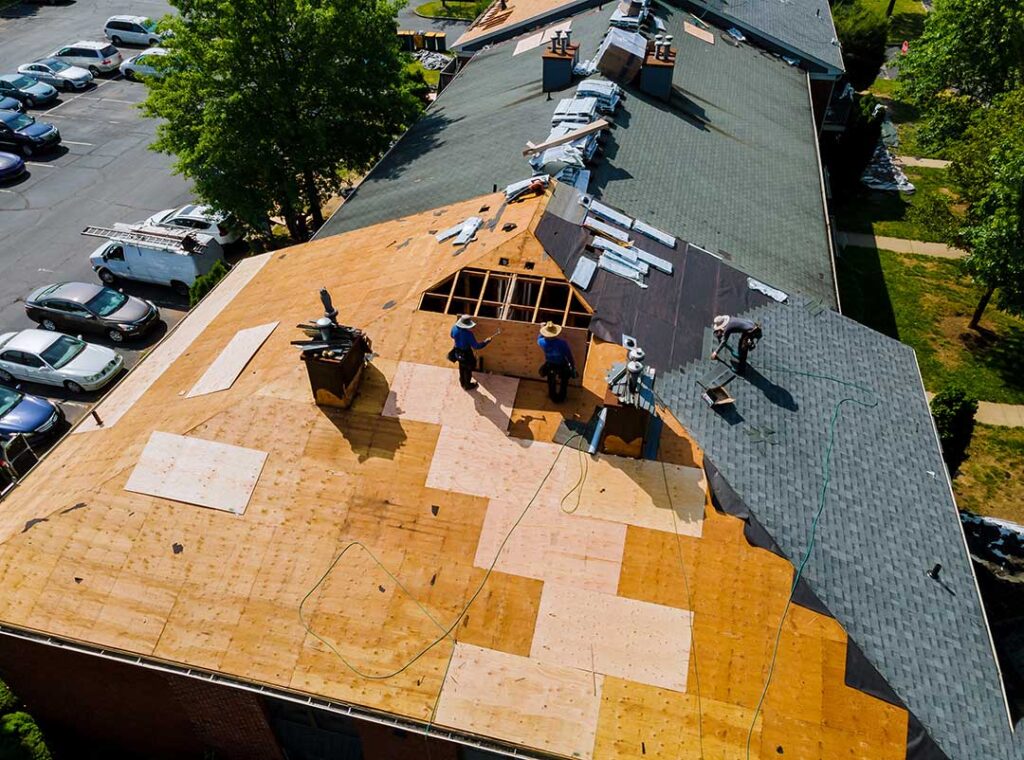
Roof decking is the structural layer beneath the shingles or other roof covering. It is commonly made from plywood or oriented strand board and is attached to the roof framing. Although it is hidden from view, damaged decking can affect the roof’s ability to support materials, resist moisture, and protect the interior of a home.
In West Nyack, NY, roof decking is exposed to repeated freeze-thaw cycles, wind-driven rain, snow, ice, humidity, and seasonal temperature changes. Those conditions can gradually weaken areas that may look normal from the ground.
What does roof decking do?
Roof decking forms the relatively flat surface installed over the roof rafters or trusses. The underlayment and shingles are placed above it, so the decking helps create the base for the entire roofing system.
Sound decking should be firm, dry, and properly attached. It should not sag, flex noticeably, or show widespread staining. If water reaches the decking through damaged shingles, failed flashing, ice buildup, or long-term condensation, the wood-based panels can swell, soften, delaminate, or decay.
Roof decking is different from the visible roof covering. Shingles may appear worn while the decking remains sound, or the shingles may look acceptable while a concealed leak has already affected the wood underneath.
What are the clearest signs of damaged decking?
The most reliable signs are sagging surfaces, soft or spongy areas, visible water damage, and deterioration found when roofing materials are removed. Some warning signs can be observed from inside the home or from the ground, but others require close inspection.
Look for these conditions:
- A sagging section of roof: A dip or uneven area may indicate weakened decking, damaged framing, accumulated moisture, or excessive weight. A small visual irregularity does not always mean the decking has failed, but a noticeable sag deserves prompt attention.
- Soft spots in the attic: If the underside of the decking feels flexible when lightly pressed from a safe location, moisture may have reduced its strength. Do not walk on questionable surfaces.
- Dark stains or water marks: Brown, gray, or black discoloration on the underside of the roof can indicate an active or previous leak. Staining alone does not prove that the decking needs replacement, but it shows that moisture has reached the area.
- Swollen or separated wood layers: Plywood may show delamination, while oriented strand board may swell along its edges. Raised fasteners, rough surfaces, and crumbling sections are also warning signs.
- Musty odors or recurring attic dampness: Persistent moisture can affect the decking even when there is no dramatic ceiling stain.
- Visible daylight through the roof: Light entering through the decking or around roof penetrations indicates a breach that should be investigated.
A roof does not need to collapse or develop a large hole before the decking requires attention. Early deterioration may appear as a small, localized problem.
Can problems inside the house point to roof decking damage?
Yes. Interior symptoms often provide the first clue that moisture is moving through the roofing system.
Check ceilings, upper walls, and attic spaces for:
- Brown rings or irregular stains
- Peeling paint or bubbling drywall
- Damp insulation
- Mold-like growth or persistent mildew odor
- Drips during rain or snowmelt
- Moisture around chimneys, vents, skylights, and roof edges
- Repeated repairs in the same ceiling area
Water does not always appear directly below the damaged decking. It may travel along rafters, insulation, electrical pathways, or ceiling materials before becoming visible. A stain near an exterior wall, for example, may originate higher on the roof.
A ceiling stain that dries after a storm is not necessarily harmless. Intermittent leaks can continue damaging wood between storms, especially around flashing and penetrations.
Why can the roof look acceptable from the ground?
Roof decking is covered by several layers, so visible shingles cannot reveal everything beneath them. A roof may have generally intact shingles while water has entered through one failed flashing joint, exposed fastener, lifted shingle, or damaged roof edge.
Ground-level viewing also cannot show:
- Soft decking beneath intact underlayment
- Moisture trapped under insulation
- Rot near eaves or valleys
- Nail withdrawal caused by swelling
- Damage around vents and other roof penetrations
- Small areas weakened by repeated leaks
A few missing shingles do not automatically mean the decking is damaged. Conversely, a roof with no obvious missing shingles may still have concealed moisture problems.
What causes roof decking to deteriorate?
Most decking problems are moisture-related, but several conditions can contribute.
Repeated leaks
Small leaks may go unnoticed for months. Water entering around flashing, valleys, vents, or roof edges can repeatedly wet the same area until the wood loses strength.
Ice and snow conditions
Winter weather can create ice buildup near roof edges. Meltwater may back up beneath the roof covering and reach the decking. Snow weight can also place stress on weakened or poorly supported areas.
Poor attic ventilation
Warm, moist air from the living space can condense on the underside of cold decking. Over time, condensation may cause staining, mold growth, fastener corrosion, and wood deterioration. Bathroom and kitchen exhaust should vent outdoors rather than into the attic.
Aging materials
Older panels may have experienced years of wetting, drying, expansion, and contraction. Even when the roof covering is replaced, previously damaged decking may remain unless it is identified during the work.
Structural movement
Settling, framing changes, overloaded areas, or improperly supported panel edges can contribute to uneven surfaces. Structural concerns are different from ordinary moisture damage and may require a more detailed evaluation.
How is roof decking checked safely?
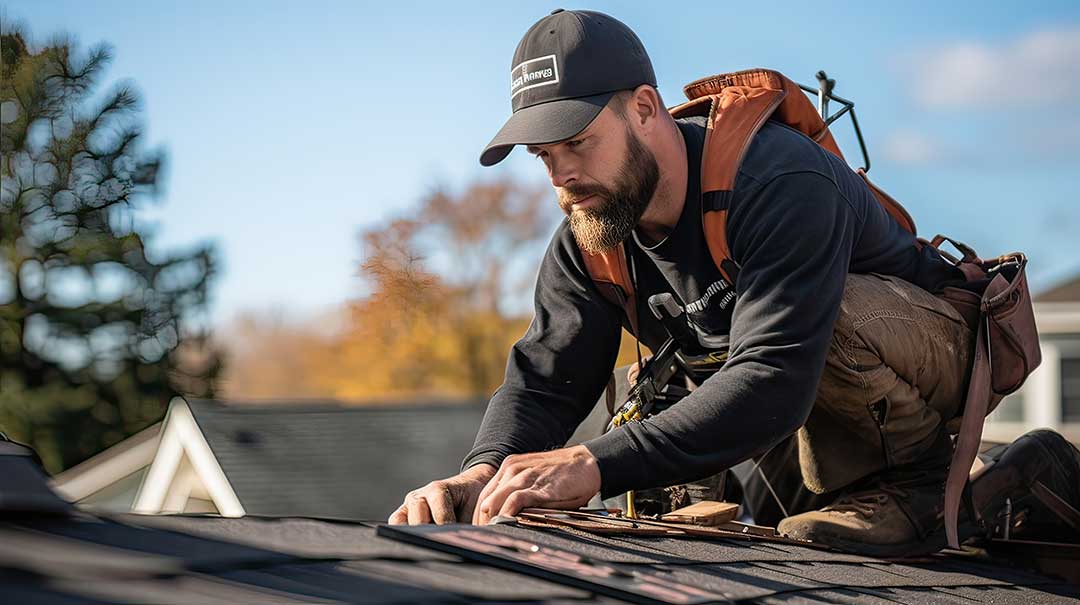
A basic visual check can begin in the attic, but safety comes first. Use stable flooring, adequate lighting, and avoid stepping directly on insulation or unsupported ceiling materials. Roof surfaces should not be accessed casually, especially when wet, icy, steep, or damaged.
Useful observations include:
- Whether stains are fresh, dry, or recurring
- Whether the wood looks swollen, split, or layered apart
- Whether nails or screws appear loose or rusted
- Whether insulation is damp
- Whether daylight is visible
- Whether damage is concentrated near an edge, valley, chimney, or vent
Moisture meters and careful probing may help identify concealed dampness, but poking wood repeatedly can enlarge damage. A questionable area should be documented with photographs and kept clear of foot traffic.
If the roof is sagging substantially, if the attic floor is wet, or if electrical components have been exposed to water, avoid entering the area and treat the condition as a safety issue. Temporary measures may be needed to limit water entry, but covering a damaged section does not restore the decking’s strength.
Does all damaged decking need to be replaced?
No. The appropriate repair depends on the extent, location, and severity of the damage. A dry surface stain may require leak correction and monitoring, while swollen, soft, delaminated, or rotten panels generally cannot be restored by drying alone.
Replacement is more likely when:
- The panel has lost structural stiffness
- Fasteners no longer hold securely
- Wood fibers crumble or separate
- Damage extends across a roof edge or support area
- Moisture has remained trapped for a prolonged period
- The affected section cannot reliably support the roof covering
The source of the moisture must also be corrected. Replacing a panel without addressing failed flashing, poor ventilation, damaged shingles, or recurring ice-related water backup can allow the problem to return.
For homes in the area, the most useful habit is to inspect the attic after major storms and again during the heating season. A small stain, soft spot, or sagging area is easier to understand and address before it spreads into insulation, framing, ceilings, or interior finishes.
