
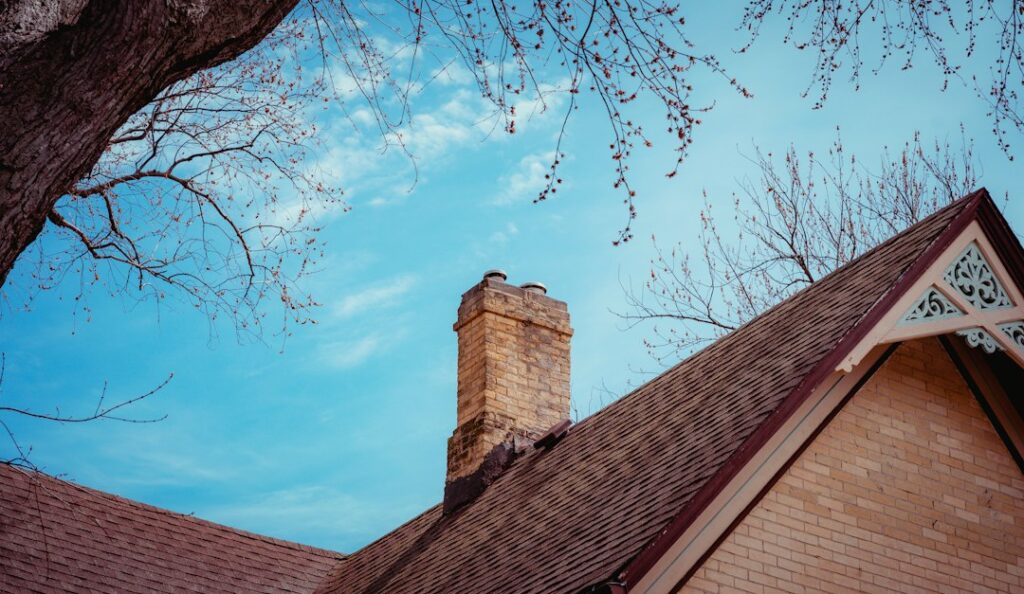
Roof repairs often look simpler than they are. A loose shingle, small ceiling stain, or clogged gutter may seem like a quick fix, but the visible damage is not always the source of the problem. In West Nyack, NY, seasonal rain, snow, ice, wind, and repeated freeze-thaw cycles can expose weaknesses that remain hidden for months.
Avoiding common repair mistakes helps prevent water intrusion, wood damage, insulation problems, and premature roof replacement.
Mistake 1: Repairing the Visible Spot Without Finding the Leak Source
A ceiling stain does not necessarily appear directly below the roof opening. Water can travel along roof decking, rafters, insulation, or framing before reaching the interior surface.
A dark mark on a ceiling may be caused by:
- Damaged shingles several feet away
- Failed flashing around a chimney, vent, or skylight
- An ice dam or melting snow
- A blocked roof valley
- Condensation in an improperly ventilated attic
- Water entering near a wall or roof transition
Painting over the stain only hides the evidence. Even replacing the nearest shingle may fail if the actual entry point is elsewhere. A proper inspection should follow the water path and examine nearby roof penetrations, seams, valleys, and attic areas.
Mistake 2: Replacing Shingles Without Checking the Underlying Layers
Shingles are only one part of a roof system. Beneath them are underlayment, flashing, roof decking, ventilation components, and structural framing.
If roof decking has become soft from long-term moisture exposure, new shingles may not fasten securely. If old underlayment is torn or deteriorated, water can continue entering beneath otherwise attractive new shingles.
Signs that the problem may extend below the surface include:
- Spongy areas when carefully observed from the attic
- Sagging roof sections
- Musty odors
- Rusted nails or roof fasteners
- Staining around rafters
- Repeated leaks after earlier repairs
A repair that addresses only the outer covering can be temporary if the supporting materials are already compromised.
Mistake 3: Using Mismatched or Incorrect Roofing Materials
Not every shingle, sealant, flashing component, or fastener is interchangeable. Materials can differ in size, exposure, thickness, texture, and installation requirements.
Using the wrong replacement shingle may create an uneven surface or leave gaps where wind-driven rain can enter. Some sealants are not intended for prolonged roof exposure, while ordinary interior nails may not provide the corrosion resistance needed for exterior conditions.
Material compatibility matters around:
- Chimneys and masonry walls
- Plumbing vents
- Roof edges and eaves
- Valleys
- Skylights
- Areas where older roofing meets newer roofing
A visually close match is not always a technically appropriate match.
Mistake 4: Nailing Shingles in the Wrong Location
Fastener placement affects whether shingles remain secure during high winds. Nails driven too high, too low, too close to an edge, or through the wrong part of a shingle may fail to hold properly.
Overdriven nails can cut into the shingle surface. Underdriven nails may leave heads exposed or prevent the shingle from lying flat. Angled nails can create gaps that allow water to collect or move beneath the material.
The correct number and placement of fasteners also depend on the roofing product and roof design. A repair may look finished from the ground while still being vulnerable to wind uplift.
Mistake 5: Ignoring Flashing Around Roof Penetrations
Flashing redirects water away from joints and openings. It is commonly installed around chimneys, vents, skylights, sidewalls, dormers, and roof valleys.
Flashing problems are among the most frequent causes of recurring leaks because these areas experience movement, weather exposure, and changes in temperature. Applying a thick layer of roofing cement over damaged flashing may slow water entry briefly, but it does not restore the flashing system.
Watch for:
- Cracked or separated sealant
- Rusted metal
- Loose counterflashing
- Gaps where roofing meets masonry
- Missing sections
- Water stains near interior walls or chimneys
Flashing should be evaluated as a system rather than treated as a cosmetic detail.

Mistake 6: Sealing Every Roof Vent to Stop Drafts
Roof ventilation can be misunderstood. Blocking vents may appear to prevent cold air or moisture from entering, but improperly sealed ventilation can trap warm, damp air in the attic.
During winter, indoor moisture can condense on cold roof components. Over time, this may contribute to mold growth, wet insulation, wood deterioration, and frost accumulation. During warmer months, poor airflow can increase attic temperatures and place additional stress on roofing materials.
The goal is not to eliminate all attic airflow. It is to maintain balanced intake and exhaust ventilation while also sealing air leaks from the living space below.
Mistake 7: Clearing Snow or Ice Unsafely
Snow and ice can place substantial weight on a roof, but aggressive removal can cause more damage than the weather itself. Shovels, axes, and sharp tools may tear shingles, damage flashing, or scrape protective surface layers.
Walking on a snow-covered roof is also hazardous because the roof surface may be slippery, uneven, or weakened beneath the snow. Ice dams can be especially difficult because removing only the visible ice may leave the underlying cause unchanged.
Safer evaluation is warranted when there is:
- Significant snow accumulation
- Large ice buildup along eaves
- Sagging ceilings or roof lines
- Cracking sounds
- Water entering around windows or ceilings
- Blocked exits or drainage paths
Roof snow and ice should not be treated as a routine do-it-yourself task when access or conditions are dangerous.
Mistake 8: Cleaning Gutters Without Examining Roof Drainage
Gutter cleaning is useful, but removing leaves does not guarantee that water is draining correctly. Downspouts may be blocked below the visible opening, extensions may discharge too close to the foundation, and gutters may have poor slope or loose fasteners.
Roof edges, valleys, and drainage paths should be observed during or after rainfall when possible. Overflow can stain siding, saturate fascia boards, damage soffits, or contribute to basement moisture.
In neighborhoods with mature trees, seasonal debris can collect quickly. A roof may appear intact while repeated overflow gradually damages the edges and supporting wood.
Mistake 9: Delaying Repairs After a Minor Leak Stops
A leak that disappears does not mean the roof has repaired itself. Water may stop entering because the weather changed, the roof surface dried, or the water found a different path.
Delayed repairs can allow moisture to remain inside insulation, decking, wall cavities, or ceiling materials. Hidden moisture may later lead to peeling paint, odors, staining, mold, or structural decay.
After any leak, note:
- The date and weather conditions
- The location of interior staining
- Whether the stain grows or changes color
- Nearby attic or wall access points
- Any recent wind, snow, or ice event
These observations can help identify whether the issue is active, intermittent, or related to condensation rather than direct rain entry.
Mistake 10: Treating Every Roof Problem as a Do-It-Yourself Project
Some maintenance is relatively low risk, such as observing attic conditions from a safe location or keeping accessible gutters clear. Roof-surface work becomes more hazardous when it involves steep slopes, wet materials, ladders, electrical equipment, hidden structural damage, or winter conditions.
Professional evaluation is appropriate when the problem involves possible structural weakness, active interior water entry, extensive storm damage, chimney flashing, electrical hazards, or unsafe access. The reason is not simply convenience; incorrect repairs can increase damage and create safety risks.
For local households, the most useful habit is regular observation rather than emergency reaction. Check attic areas for dampness, watch ceilings after heavy weather, keep drainage paths clear, and address small changes before they become concealed moisture problems.
