
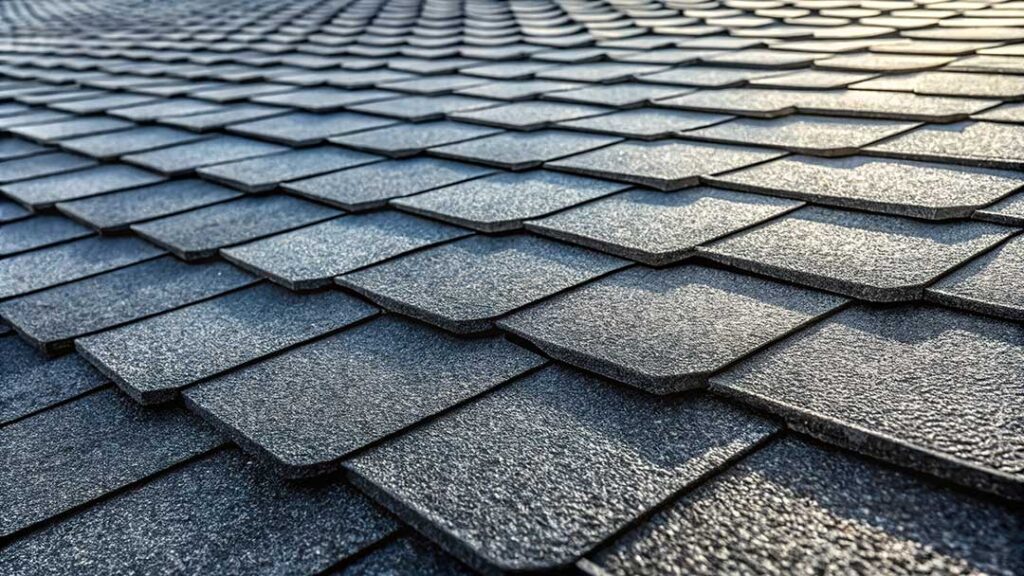
Replacing a roof creates more waste than shingles alone. Underlayment, flashing, vents, gutters, insulation, wood, and packaging may all need separate handling. For residents of West Nyack, NY, the safest approach is to identify each material, keep reusable and recyclable items separated, and confirm acceptance before transporting anything.
Can old asphalt shingles be recycled?
Yes, asphalt shingles can sometimes be recycled through approved construction-and-demolition debris facilities. Recovered shingles may be processed for use in asphalt pavement or other construction applications, but acceptance depends on the facility, the material’s condition, and current regional markets.
New York State classifies uncontaminated asphalt roofing shingles and roofing paper as construction-and-demolition debris that registered facilities may accept. The material must not contain friable asbestos or significant contamination. ([dec.ny.gov](https://dec.ny.gov/environmental-protection/waste-management/solid-waste-management-facilities/construction-demolition-debris-processing?utm_source=openai))
Recycling is not the same as placing shingles in a household recycling bin. Roofing materials are heavy, bulky, and often contain nails, adhesives, dirt, and mixed components. They generally require a specialized facility or a construction-waste program.
Before loading a vehicle, verify:
- Whether the facility accepts asphalt shingles from residential projects
- Whether self-hauled material is allowed
- Whether loads must be covered
- Whether shingles must be separated from wood, plastic, metal, and garbage
- Whether there are limits on asbestos-containing or tar-coated materials
- Whether fees are charged by weight or volume
Rules can change, so checking with the local recycling coordinator or the facility before delivery is more reliable than assuming a general recycling center will accept roofing waste. NYSDEC notes that local recycling rules vary and recommends contacting the appropriate local coordinator for location-specific guidance. ([dec.ny.gov](https://dec.ny.gov/environmental-protection/recycling-composting/local-recycling-coordinator-dec-contacts?utm_source=openai))
Which roofing materials may have another use?
Some roofing components are better suited for reuse or scrap recovery than for shingle recycling. Materials should be evaluated separately rather than placed into one mixed pile.
Potentially reusable or recyclable items include:
- Clean metal flashing and valley metal
- Aluminum or copper gutters
- Metal vents and roof jacks
- Undamaged slate, clay, or concrete roofing pieces
- Usable dimensional lumber from roof framing or blocking
- Clean rigid insulation, if accepted by a reuse program
- Unopened or unspoiled roofing materials left from a project
Metal is usually handled through scrap-metal channels rather than ordinary curbside recycling. Slate, tile, and specialty roofing pieces may be reusable if they are intact, but broken pieces are often treated as construction debris.
Reuse is most practical when materials are clean, dry, undamaged, and separated. Roofing pieces covered in adhesive, heavy moss, insulation, or excessive dirt may not be suitable for another installation.
How should shingles be prepared for recycling?
Preparation reduces contamination and makes the load easier to inspect. Keep shingles as clean and dry as possible, and avoid mixing them with household trash.
A basic preparation process includes:
1. Remove obvious garbage, loose packaging, and large pieces of insulation.
2. Separate metal flashing, gutters, vents, and other scrap metal.
3. Keep wood and reusable materials in separate piles.
4. Place loose shingles in a sturdy container or securely covered vehicle.
5. Do not burn roofing materials or leave them exposed where wind can scatter debris.
6. Ask the receiving facility whether nails may remain in the shingles.
Small amounts of attached roofing felt or nails may be acceptable at some construction-and-demolition facilities, but the receiving site determines the final requirements. Do not assume that a facility accepting clean asphalt pavement also accepts roofing shingles; the waste streams are regulated and handled separately.
What about roof felt, synthetic underlayment, and ice-and-water membrane?
Roofing paper and some underlayment products may be accepted with asphalt shingles at an authorized construction-and-demolition debris facility, but acceptance is not universal. Synthetic underlayments, rubberized membranes, plastic films, and peel-and-stick products may require different handling.
The product label can help identify the material. If the label is missing, keep the item separate and describe it accurately when asking about disposal. Mixing unknown membranes into a shingle load can result in rejection.
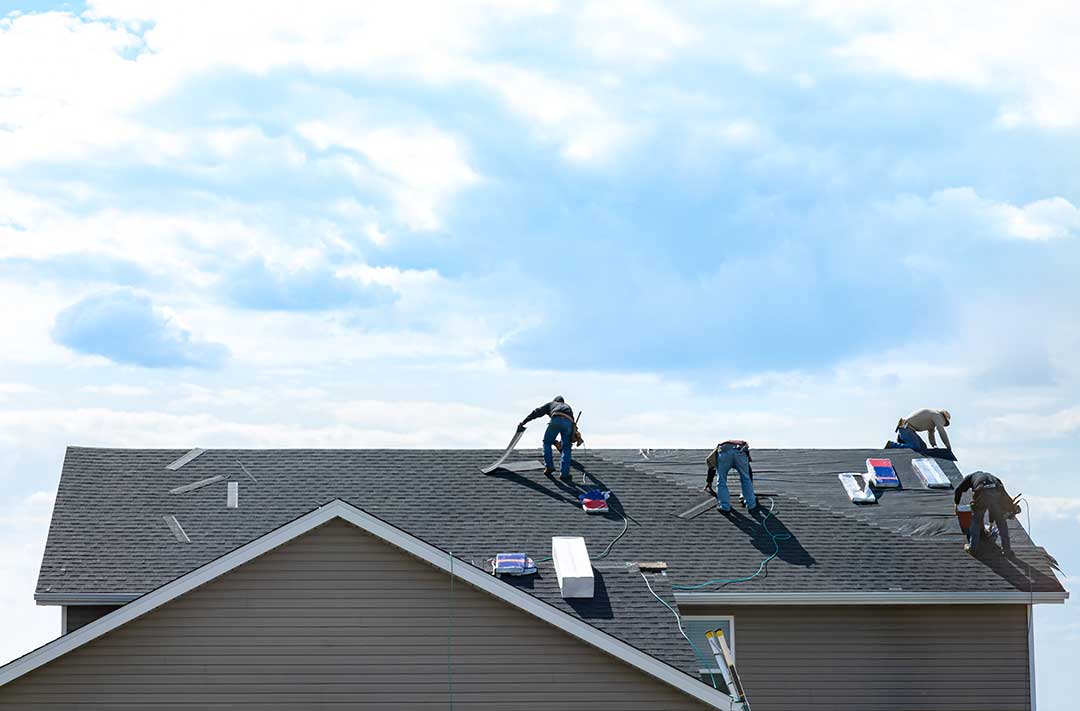
This is especially relevant after winter repairs, when roofing materials may be wet, frozen, or coated with roofing cement. Allowing materials to dry before transport can reduce mess, but damaged or chemical-contaminated materials should not be handled casually.
How should old gutters, flashing, and roof vents be handled?
Clean metal components are commonly directed to scrap-metal recycling rather than shingle processing. Remove as much attached roofing material as practical, but do not create unnecessary exposure to sharp edges.
Use caution with:
- Rusted metal with jagged edges
- Copper or aluminum pieces covered in sealant
- Roof vents containing plastic or insulation
- Fasteners mixed into loose debris
- Long gutter sections that may shift during transport
Bundle or contain sharp pieces so they cannot injure people, puncture tires, or damage collection equipment. If a component contains electrical wiring, motors, chemicals, or other unusual materials, identify it before placing it with ordinary scrap.
How can residents recognize asbestos concerns?
Older roofing materials may contain asbestos, particularly in some roofing felts, cement products, mastics, and specialty materials. Asbestos cannot be identified reliably by appearance alone.
Do not cut, grind, sand, break, or dry-sweep suspicious materials. Friable asbestos waste is not accepted as ordinary construction-and-demolition debris under New York’s roofing-material rules. ([dec.ny.gov](https://dec.ny.gov/environmental-protection/waste-management/solid-waste-management-facilities/construction-demolition-debris-processing?utm_source=openai))
If a roof or roofing layer may contain asbestos, the material should be evaluated according to applicable state and local requirements before removal or transport. This is one situation where specialized safety guidance is warranted because improper handling can release hazardous fibers.
Can roofing waste go in curbside recycling or regular trash?
Roofing waste should not go in a household recycling cart. It can damage sorting equipment, contaminate recyclable materials, and create handling hazards for collection workers.
Small pieces also should not automatically be placed in regular trash. Household garbage services may have size, weight, and construction-debris restrictions. A roof replacement commonly produces more material than ordinary residential trash collection is designed to handle.
NYSDEC identifies roofing shingles and roofing paper as construction-and-demolition materials and lists registered facilities that may process those materials. ([dec.ny.gov](https://dec.ny.gov/environmental-protection/waste-management/solid-waste-management-facilities/construction-demolition-debris-processing?utm_source=openai))
What is the most practical approach for a roof replacement?
The most efficient method is to plan the waste stream before work begins. Keep shingles, metal, wood, insulation, packaging, and general garbage in clearly separated areas. This improves the chance that recyclable materials will remain clean and reduces the amount sent for disposal.
In the community, seasonal rain, snow, ice, and freeze-thaw conditions can leave roofing debris wet and heavy. Covered storage helps prevent runoff, windblown litter, and unnecessary weight from absorbed water. Keep piles away from storm drains and do not place loose debris where it can wash into streets or drainage areas.
For current acceptance rules, use the NYSDEC construction-and-demolition debris resources and the appropriate local recycling coordinator rather than relying on an outdated list or an assumption based on another community’s program. Recycling markets for shingles are developing unevenly, so a facility may legally accept a material without accepting every quantity, product type, or delivery method. ([dec.ny.gov](https://dec.ny.gov/environmental-protection/waste-management/solid-waste-management-facilities/construction-demolition-debris-processing?utm_source=openai))
