

What Is Roof Decking and Why Does It Matter?
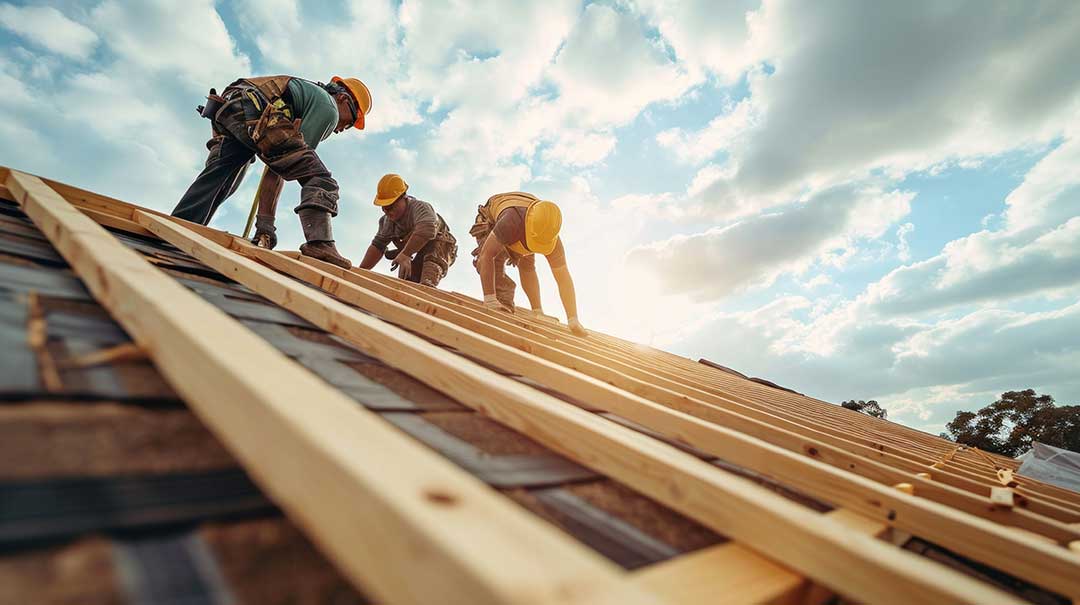
Roof decking is the foundational surface beneath shingles, tiles, or metal panels. In West Nyack, NY, decking acts as the backbone of the roof system, supporting all visible roofing materials and helping protect the interior from weather intrusion. While layers like underlayment and shingles offer the first line of defense, damaged or inadequate decking can quickly compromise the system and lead to leaks or structural concerns, especially during the area’s frequent spring rains or heavy winter snowfalls.
Most local homes use wooden decking—often plywood or oriented strand board (OSB)—attached directly to the rafters. A sturdy, well-maintained deck is essential for the longevity and reliability of any roof installed in the community.
What Materials Are Common for Roof Decking?
In West Nyack, almost all residential roofs use either plywood or OSB for decking. These engineered wood products are chosen for their balance of strength, cost effectiveness, and resistance to warping.
- Plywood: Made from thin sheets of wood veneer, layered and pressed together, plywood is known for its durability, especially if the roof will bear heavier winter snowfall.
- OSB (Oriented Strand Board): Made from wood chips and adhesives, OSB is now more common in modern construction because it is less expensive and offers consistent performance provided it stays dry.
While traditional planks (solid wood boards) can still be found in some older West Nyack homes, they are less common in newer builds and replacements.
How Does Roof Decking Affect Leak Protection?
The deck itself does not fully waterproof a roof. Rather, it serves as a nailing surface for the underlayment and shingles or tiles, forming a flat, sturdy base. If the decking is compromised—by rot, warping, or holes—moisture can seep past other layers, causing hidden leaks and long-term damage.
For local residents, seasonal freeze-thaw cycles and occasional wind-driven rain can exploit even small weak points. That’s why roofing projects often require a close inspection and, if necessary, replacement of water-damaged sections before new shingles are installed.
When Does Roof Decking Need to Be Replaced?
Signs that replacement may be needed include:
- Visible sagging between rafters
- Spongy or soft spots detected during an attic walk-through
- Water stains or signs of mold on the underside of the deck
- Prolonged roof leaks that have reached wood layers
Most often, homeowners discover decking issues during a replacement of shingles. Local building codes in West Nyack require that any sections with extensive rot or mold be removed and replaced before new roofing is installed. Even if damage is not widespread, the city’s weather patterns make it risky to leave any soft or warped decking in place.
What Are Common Decking Installation Mistakes?
A quality installation makes a noticeable difference, especially for area homes that endure heavy snows and temperature swings. Common mistakes include:
- Using boards that are too thin (less than 7/16-inch generally isn’t recommended for residential roofs locally)
- Poorly fastened sheets that can warp or lift in high wind
- Gaps left between sheets, which can allow moisture intrusion
- Using water-damaged wood at installation, which can quickly fail
These errors can shorten the lifespan of the entire roof, even if newer, high-quality shingles are used above.
Does Roof Decking Impact Energy Efficiency?
While decking itself is not a primary source of insulation, it affects how well a roof controls temperatures. Gaps, rot, or sagging create places where cold air can enter and conditioned indoor air may escape—adding strain to heating systems during the region’s frigid winters.
Well-installed and maintained decking helps ensure that other components, such as insulation and attic ventilation, work as intended. Small steps like sealing gaps and ensuring a tight fit contribute to greater energy efficiency and comfort in West Nyack homes.
How Can Wood Decking Be Protected Over Time?
While the upper roof layers shield the deck, several practices help maximize its lifespan:
- Keep gutters and downspouts clear to prevent overflows that can saturate deck edges.
- Inspect attics for signs of leaks or daylight between deck boards after major storms.
- Ensure adequate attic ventilation—moisture trapped below decking can accelerate rot and mold.
- Address roof leaks promptly to keep water from reaching the underlying wood, especially in winter when freeze/thaw expansion can worsen small cracks.
Local homeowners who catch and fix minor moisture issues early tend to enjoy longer roof life and less costly repairs.
What Are Some Persistent Misconceptions About Roof Decking?
Some common local misunderstandings include:
- Believing that “new shingles mean a new roof,” overlooking problems hidden in the decking.
- Assuming all wood decking is the same—OSB and plywood behave differently when exposed to water.
- Thinking visible leaks are the only sign of trouble; attic mold or soft spots can exist for months or years before a leak becomes obvious from inside the house.
Awareness of these details can help area residents make more informed choices about roof work and maintenance.
